The Great Grid Bottleneck
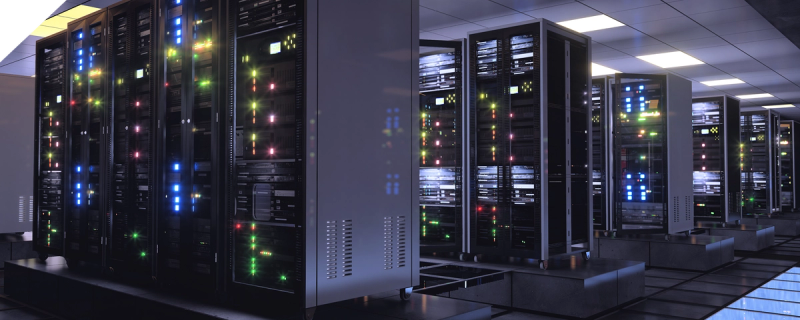
The $7 Trillion Infrastructure Bottleneck Wall Street Isn't Talking About
The math is brutal: You can build an AI data center in 18 months, but the transformer to power it takes 3-5 years to deliver.
We're witnessing the most expensive game of infrastructure chicken in modern history. While tech giants race to deploy artificial intelligence at unprecedented scale, they're crashing headfirst into a century-old bottleneck that could derail the entire digital revolution: the electrical grid.
The numbers tell a story that venture capital glosses over. Lead times for standard power transformers have ballooned to 128 weeks—that's two and a half years just to get the equipment that moves electricity from transmission lines to your local grid. Generator step-up transformers, the massive units that connect power plants to the grid, now require 144 weeks for delivery. Meanwhile, hyperscale data centers are sprouting like digital mushrooms, with construction timelines of 18-24 months.
This timing mismatch isn't just an operational headache—it's a $7 trillion investment reality check. That's the forecasted global spending on data centers by 2030, and every single facility depends on grid infrastructure that's creaking under pressure from decades of underinvestment.
The utility sector is finally waking up to this crisis. PNM's application seeks approval of grid modernization investments of approximately $344 million for just the first six years. AES Ohio filed a Smart Grid Phase 2 proposal to invest approximately $683 million over a decade. These aren't isolated cases—they're early signals of the largest infrastructure upgrade cycle since rural electrification.
The disconnect between digital ambition and electrical reality creates an investment opportunity that most portfolios are completely missing. While everyone chases the latest AI darling, the real money might be in the unglamorous transformers, substations, and smart grid technologies that make the digital economy physically possible.
Why 31% of America's Grid Infrastructure Is Operating Beyond Design Life
America's electrical grid is literally aging out—with nearly one-third of transmission lines and almost half of distribution infrastructure now running decades past their intended lifespan. When you consider that 55% of the nation's 40 million distribution transformers have been humming along for over 33 years, you're looking at equipment that was installed when personal computers were still novel.
The financial reality is equally sobering. Utilities are now dedicating 67% of their capital expenditures—roughly $63 billion annually—just to replace aging equipment, leaving only $32 billion for the grid expansion that a growing economy desperately needs. This isn't strategic investment; it's emergency triage on a continental scale.
What makes this crisis particularly acute is the collision between aging infrastructure and surging demand. While electricity consumption crawled along at just 0.5% annual growth from 2014 to 2024, projections show demand accelerating to 2.5% annually through 2035. That's a five-fold increase in growth rate hitting a grid that's already operating on borrowed time.
Major utilities are responding with unprecedented investment programs. Duke Energy is investing more than $10 billion in grid modernization efforts, while OGE Energy plans $7.29 billion in upgrades through 2030. These aren't expansion projects—they're survival investments to prevent a grid that increasingly resembles a vintage car being asked to perform like a Formula 1 racer.
The AI Data Center Power Surge: 35 Gigawatts by 2030
The aging infrastructure problem becomes exponentially more complex when you factor in artificial intelligence's voracious appetite for electricity. Hyperscale data centers will demand 35 gigawatts of electricity by 2030—more than double the 17 gigawatts they consumed in 2022. U.S. data centers alone are projected to account for 50% of domestic power demand growth over this decade, driven by western hyperscalers deploying over $1 trillion into AI infrastructure before 2028.
The bottleneck isn't just about generating more power; it's about delivering it reliably to facilities that can't tolerate even milliseconds of interruption. Traditional grid infrastructure, built for predictable residential and industrial loads, now faces the challenge of serving facilities that consume as much electricity as entire cities while demanding 99.9% uptime.
This demand surge is already forcing utilities into emergency modernization mode. Local cooperatives are scrambling to design utility-scale battery systems for grid stability, while major utilities like Avangrid are committing $41 million investments to rebuild aging transmission infrastructure with new substations and power lines.
The Real 'Picks and Shovels': Industrial Hardware Suppliers Crushing Earnings
While investors debate which renewable energy stocks might win, the infrastructure suppliers actually manufacturing the critical hardware are already winning—spectacularly. These mid-cap industrial companies are posting growth numbers that would make tech stocks jealous, driven by the simple reality that every grid upgrade requires physical equipment.
Powell Industries exemplifies this boom. The company just reported a staggering 97% year-over-year surge in orders to $490 million, building a record backlog of $1.8 billion. Their single largest order? A $400 million data center contract that underscores how AI and cloud computing are amplifying grid infrastructure demands beyond traditional renewable integration.
The numbers across the sector tell the same story of explosive demand:
- nVent Electric: 53% year-over-year sales increase to $1.24 billion, with a record $2.6 billion backlog and 40% organic order growth
- Modine Manufacturing: 31% sequential increase in data center sales alone, projecting 50-70% annual growth in this segment
- Vertiv Holdings: 252% year-over-year organic order jump, building a $15 billion backlog—double the previous year
This isn't speculative growth based on future promises. These companies manufacture the unglamorous but essential components that make grid modernization possible: substations, transformers, transmission and distribution lines. Every solar farm needs transformers. Every wind project requires substations. Every data center demands cooling systems and power distribution equipment.
What makes these results particularly compelling is their visibility. Unlike renewable developers who face permitting delays and regulatory uncertainty, equipment manufacturers work with multi-year backlogs and contracted revenue.
Why Clean Energy ETFs Are Missing the Infrastructure Supercycle
The problem with traditional clean energy ETFs isn't their intent—it's their construction. Take ICLN, the poster child for clean energy investing. Its 2.16% year-over-year return reflects the fundamental disconnect between what investors think they're buying and what they actually own. These funds are weighed down by the very companies that dominate headlines but struggle with profitability: solar manufacturers, wind turbine producers, and battery makers caught in brutal margin compression cycles.
Meanwhile, the GRID ETF posted 24.9% year-to-date returns and an impressive 62.7% over the past year by focusing on the unsexy but profitable side of energy transition: the companies that move, manage, and modernize electricity infrastructure.
Traditional clean energy ETFs suffer from a structural flaw that becomes more problematic as the sector matures. Market-cap weighting means your investment dollars flow disproportionately to the largest companies, which in clean energy often means the most volatile and cyclical players. You end up overexposed to solar panel manufacturers competing on razor-thin margins while missing the mid-cap transmission companies and grid operators that actually benefit from every solar installation.
The infrastructure supercycle isn't just about building more renewable generation capacity. It's about rebuilding the entire electrical grid to handle bidirectional power flows, integrate distributed resources, and maintain reliability with intermittent sources. This transformation requires massive capital expenditures that flow directly to grid operators, transmission companies, and smart infrastructure providers.
These companies enjoy several advantages that pure-play renewable manufacturers lack: regulated utility returns, long-term contracts, and business models that benefit from energy transition regardless of which specific technologies win.
Risk Factors: Raw Materials, Tariffs, and the CapEx Cycle
Grid modernization investments face significant headwinds from supply chain bottlenecks, trade uncertainties, and cyclical spending patterns that can derail even the most promising opportunities.
The infrastructure backbone of our energy transition depends on materials and components that create vulnerable chokepoints. Grain-oriented electrical steel—the specialized material that makes high-efficiency transformers possible—comes from a limited number of global suppliers. When demand spikes or production hiccups occur, project timelines stretch and costs balloon.
The transformer supply chain presents an even starker reality: roughly 80% of large power transformers used in U.S. grid projects come from foreign manufacturers. This dependency creates a double-edged risk profile. Trade tensions can trigger tariff escalations that make projects economically unviable overnight. Meanwhile, geopolitical disruptions or manufacturing delays abroad can leave utility companies waiting months or even years for critical equipment.
Grid modernization also moves to the rhythm of corporate capital expenditure cycles, particularly from hyperscale data center operators who drive substantial infrastructure demand. When these tech giants tighten spending—whether due to economic uncertainty, shifting priorities, or completion of major buildouts—the ripple effects hit grid infrastructure companies hard.
These risks don't eliminate the long-term opportunity in grid modernization, but they demand careful attention to company-specific supply chain strategies, geographic diversification, and balance sheet strength when evaluating investment opportunities. The companies that navigate these challenges successfully will capture disproportionate value as America rebuilds its electrical backbone for the digital age.